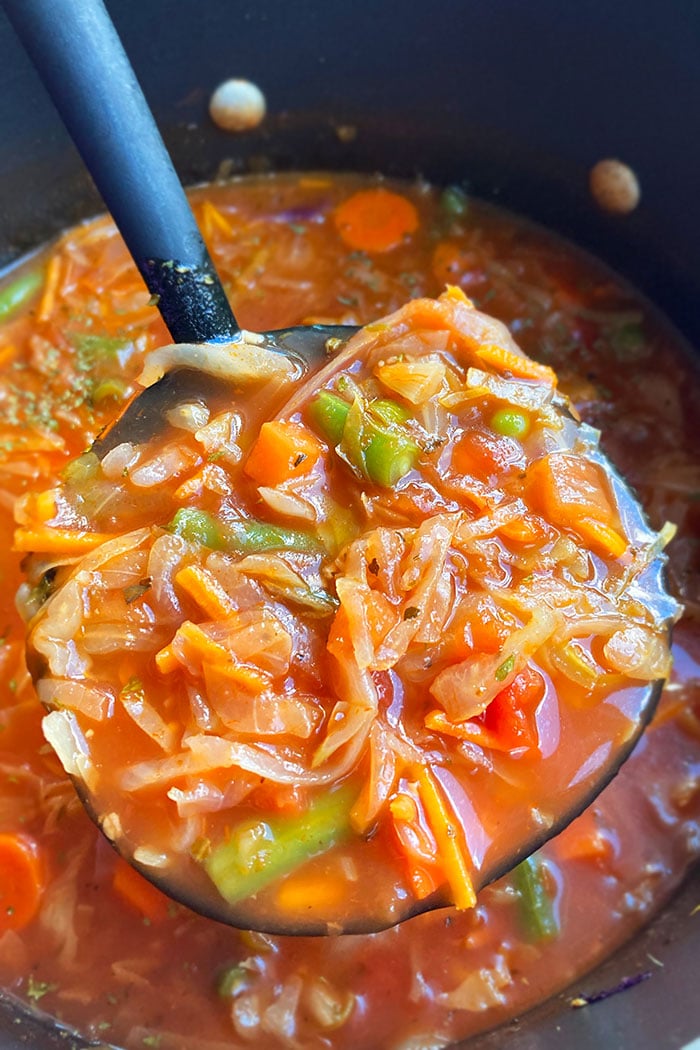
In a culinary world often fixated on elaborate preparations and exotic ingredients, the humble cabbage soup often gets overlooked. Yet, this unassuming dish holds a secret power: it's incredibly versatile, deeply nourishing, and astonishingly easy to prepare, especially when crafted as a one-pot wonder. Far from being a bland diet staple, a well-made cabbage soup is a symphony of flavors – a savory, comforting meal that can rescue a busy weeknight and warm the soul on a chilly evening. If you’ve never considered cabbage soup a star, prepare to have your perceptions delightfully challenged.
The Unsung Hero: Why One-Pot Cabbage Soup Deserves a Spot on Your Table
For too long, cabbage soup has flown under the radar, eclipsed by fancier, more complex concoctions. But for those in the know, this simple bowl of vegetables simmered in broth has been a steadfast companion for years. What makes it truly special isn't just its speed – often ready in about 30 minutes from start to finish – but the profound transformation of its star ingredient. Cabbage, often perceived as firm and a touch sharp when raw, evolves into something miraculously sweet and meltingly tender as it cooks, soaking up every aromatic and rich nuance of the broth.
This isn't one of those heavy, cream-based soups that leave you feeling sluggish. Instead, it's light and refreshingly nourishing, yet surprisingly satisfying. You won't find yourself rummaging through the pantry an hour later for something more substantial. The beauty of a one-pot cabbage soup lies not only in its minimal cleanup but also in its inherent health benefits. It’s naturally low-carb, packed with fresh vegetables, and can be easily made vegan, making it an ideal choice for anyone striving to eat healthier without feeling deprived. It’s a testament to the idea that some of the best meals are born from simplicity and clever combinations of pantry staples.
Building the Flavor Foundation: Essential Ingredients and How They Transform
The magic of a truly savory cabbage soup lies in its foundation. While the ingredient list might seem straightforward, each component plays a crucial role in developing depth, sweetness, and complexity. Mastering these basic building blocks is key to unlocking the soup's full potential.
Choosing Your Cabbage: The Heart of the Soup
- Green Cabbage: This is your ideal choice. Green cabbage holds its shape well without turning mushy, and critically, it develops a natural sweetness as it cooks, which is essential for that comforting flavor profile. Look for heads that feel heavy for their size, with tightly packed, crisp leaves. Avoid any with brown spots or wilted outer leaves.
- Napa Cabbage: While also usable, Napa cabbage has a more delicate texture and tends to break down more during cooking. It will still yield a delicious soup but with a slightly different mouthfeel.
- Preparation: Core the cabbage and then chop or shred it into roughly 1-inch pieces. This allows it to cook evenly and tenderize beautifully.
Aromatic Anchors: Onions, Carrots, Celery, and Garlic
These four ingredients form what chefs often call a "mirepoix" (onions, carrots, celery) with the crucial addition of garlic. They create the aromatic base that gives your soup incredible depth and a subtle sweetness that balances the cabbage.
- Onions: Yellow onions are perfect here. They offer a balanced flavor that's less sharp than white onions but more robust than sweet varieties. Dice them into pieces about ½-inch so they cook evenly, becoming tender and translucent without completely disappearing into the broth.
- Carrots: Adding both natural sweetness and a beautiful pop of color, carrots also contribute a pleasant substance to the soup. Peel them first, then dice them into pieces roughly the same size as your onions for consistent cooking.
- Celery: This often-underestimated vegetable brings a subtle herbal flavor and aromatic quality that rounds out the entire vegetable base. If possible, use the paler inner stalks, as they tend to be more tender. Again, dice them to match your onions and carrots for even cooking.
- Fresh Garlic: The pungent, savory depth of fresh garlic is what truly elevates this soup, making it taste far more complex than its simple ingredients suggest. Two cloves typically provide a mild yet present garlic essence, but don't hesitate to add a third if you're a garlic lover. Mince it finely so it disperses its flavor throughout the soup.
Beyond the Basics: Elevating Your Cabbage Soup Experience
While the core ingredients create a fantastic foundation, a few thoughtful additions can transform a good cabbage soup into an unforgettable meal.
Broth: The Unsung Flavor Carrier
The choice of broth profoundly impacts the final flavor. For a truly vegan soup, a good quality vegetable broth is essential. Opt for low-sodium varieties so you can control the seasoning. If dietary preferences allow, chicken or beef broth can add a richer, more robust flavor, especially if you're leaning towards a heartier, meat-infused soup. Using homemade broth whenever possible will always yield the best results.
Herbs & Spices: The Soul of the Soup
Don't underestimate the power of herbs and spices to imbue your soup with soul. Beyond simple salt and pepper:
- Bay Leaf: A single bay leaf simmered in the broth adds a subtle, almost indescribable depth. Remember to remove it before serving.
- Dried Thyme and Oregano: These classic Mediterranean herbs pair wonderfully with tomatoes and vegetables, adding warmth and earthiness.
- Smoked Paprika: A pinch of smoked paprika can introduce a fantastic layer of smoky complexity, even in a meatless soup.
- Red Pepper Flakes: For those who appreciate a gentle kick, a tiny dash of red pepper flakes adds a lively warmth.
- Fresh Parsley or Dill: Stirred in at the very end or used as a garnish, fresh herbs like parsley or dill provide brightness and a beautiful, fresh finish. The dill, in particular, can evoke the flavors of traditional cabbage rolls.
Tomato Power: Acidity and Umami
Tomatoes are another critical component, contributing essential acidity and umami that balance the sweetness of the cabbage and carrots. Canned diced tomatoes (good quality, fire-roasted if you like extra depth) are convenient and effective. For an even richer, deeper flavor, consider adding a tablespoon of tomato paste, sautéed briefly with the aromatics before adding the liquids. This caramelizes the paste, intensifying its flavor profile.
Adding Substance: Making it a Meal
While delicious on its own, your one-pot cabbage soup can easily be bulked up to become an even more substantial meal:
- Ground Meat: For a heartier option, brown ground beef, turkey, or even Italian sausage with the onions before adding other vegetables. This echoes the savory goodness found in recipes inspired by lazy cabbage rolls.
- Legumes: Canned chickpeas, white beans, or lentils can add a significant protein boost, making it incredibly satisfying for a vegetarian or vegan meal.
- Starchy Vegetables/Grains: Diced potatoes, sweet potatoes, or even a handful of small pasta or rice can be added during the simmering stage for extra heft and comfort.
Secrets to a Speedy & Flavorful One-Pot Cabbage Soup
The promise of a nourishing meal in just 30 minutes isn't just a marketing slogan; it's entirely achievable with a few smart techniques. This makes easy 30-minute cabbage soup a true weeknight champion.
- Mise en Place (Prep First): The biggest time-saver for any quick meal is to have all your ingredients prepped and ready before you even turn on the stove. Dice all your vegetables, mince your garlic, and measure out your broth and spices beforehand.
- Sautéing Aromatics Properly: Don't rush this step. Sautéing the onions, carrots, and celery until softened (and any ground meat is browned) builds the critical flavor base. This is where those initial sweet and savory notes begin to develop.
- Layering Flavors: Add ingredients in sequence. Sauté aromatics, then garlic, then tomatoes/tomato paste (if using), then liquids, then cabbage. This ensures each ingredient contributes its best flavor.
- Don't Overcook the Cabbage: While you want the cabbage tender, you don't want it mushy. Simmer just until it's meltingly soft but still has a pleasant texture. This typically takes about 15-20 minutes after adding the broth and cabbage.
- Taste and Adjust: This is arguably the most important secret to any great soup. Before serving, taste your soup! Does it need more salt? A pinch of sugar to balance acidity? More black pepper? A splash of vinegar or lemon juice for brightness? Don't be afraid to adjust.
- Make Extra for Meal Prep: Cabbage soup is a fantastic candidate for meal prepping. It tastes even better the next day as the flavors meld. Double the recipe and freeze individual portions for quick, healthy lunches or dinners throughout the week.
Ultimately, a one-pot cabbage soup isn't just a recipe; it's a philosophy of embracing simple, whole ingredients to create something truly delicious and comforting. It’s a meal that celebrates the transformation of humble vegetables into a satisfying and savory experience.
So, next time you're looking for a meal that's easy on time, easy on the wallet, and incredibly satisfying for the body and soul, turn to the timeless appeal of a well-made one-pot cabbage soup. It's a secret worth sharing, and a meal you'll be delighted to master.
